Cryotherapy for Athletes: Faster Recovery and Better Performance
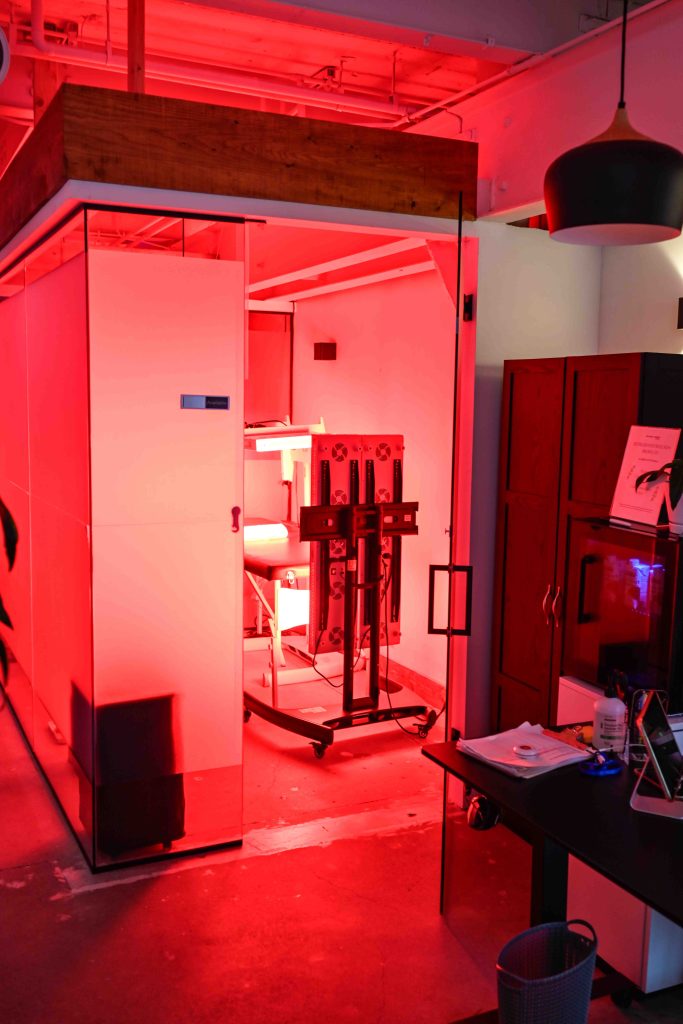

Elite sport has always had a complicated relationship with recovery. The harder the training block, the tighter the schedule, the more tempting it becomes to look for something that promises quick relief without cutting into practice time. That is where cryotherapy keeps showing up, from professional football facilities to track clubs, combat sports gyms, and private performance centers.
The appeal is obvious. Hard sessions leave behind soreness, localized inflammation, and a general sense of heaviness that can carry into the next day. Athletes want to feel ready sooner. Coaches want consistency across the week. Medical staff want tools that reduce symptoms without creating fresh problems. Cryotherapy sits right in that overlap.
Still, it helps to separate the marketing from the useful reality. Cold exposure can be effective, but it is not magic. It does not erase tissue damage, and it does not guarantee better performance. What it can do, when used in the right setting, is reduce discomfort, blunt soreness, and help some athletes tolerate dense training periods more effectively. The details matter, especially timing, dosage, and the type of cold exposure being used.
What cryotherapy actually means in sport
Cryotherapy is a broad term. In everyday conversation, athletes often use it to describe anything cold enough to hurt for a minute and feel strangely good afterward. In practice, the umbrella covers several very different approaches.
Local cryotherapy targets a specific body part, such as an ankle, knee, shoulder, or calf. That might involve an ice pack, a cold compression unit, or a clinician-applied cold-air device. Whole-body cryotherapy places the athlete in a chamber for a short exposure, often around two to four minutes, at extremely low air temperatures. Cold-water immersion, which many athletes still lump into the same conversation, usually means sitting in a tub or plunge pool with water cold enough to trigger a strong thermal response.
These methods are not interchangeable. Air at very low temperature feels different from water at a much warmer number, because water pulls heat from the body far more efficiently. A three-minute whole-body session in a chamber and a ten-minute cold plunge do not create the same physiological load, even if both get called cryotherapy. That distinction matters when athletes compare notes or assume one protocol should produce the same result as another.
Why athletes feel better after cold exposure
The immediate effects are easy to understand from a practical standpoint. Cold exposure lowers skin temperature quickly and can reduce the perception of pain. That alone is valuable after repeated sprint work, heavy eccentric lifting, contact sessions, or tournaments with short turnaround. When pain drops, movement often feels easier. The athlete interprets that as recovery, and sometimes that interpretation is functionally useful because it restores confidence and normal mechanics.
There is also a circulatory response. Blood vessels near the skin constrict in the cold, and the body shifts blood flow toward preserving core temperature. After the cold exposure ends, rewarming changes circulation again. People often oversimplify this into dramatic claims about “flushing toxins,” which is not a phrase serious practitioners should rely on. The more defensible point is that cold changes local tissue temperature, sensory signaling, and the athlete’s perception of effort and soreness.
For athletes in a congested competition schedule, perception is not trivial. If a basketball player has to perform again in less than 24 hours, reduced soreness and a sharper sense of readiness can matter even if the underlying tissue repair timeline has not changed much. In real sport settings, how an athlete feels on the morning of the next session affects quality, confidence, and decision-making.
The evidence is useful, but narrower than many people think
Cryotherapy has one of those reputations that expanded faster than the research. There is decent support for cold exposure helping with delayed-onset muscle soreness and subjective recovery, especially after demanding exercise. Some athletes report less soreness, less limb heaviness, and a faster return to feeling normal. That is meaningful.
The leap from “I feel better” to “I will perform better” is where things get less certain. Improvements in perceived recovery do not always translate to faster sprint times, higher jumps, or stronger lifts the next day. In some cases they might, particularly when fatigue is mostly sensory or when soreness itself is limiting movement quality. In other cases, especially after routine training with adequate rest, the measurable performance gain can be small or absent.
There is another important nuance. If an athlete uses cold exposure aggressively after every strength session, it may interfere with some of the adaptation process that heavy training is supposed to trigger. In simple terms, not all inflammation is bad. Some of it is part of the signal that tells the body to rebuild and adapt. Blunting that signal too often, especially in hypertrophy or strength phases, may reduce some long-term training gains. Coaches working in high-performance settings have become much more selective about cold for that reason. They tend to reserve it for periods when rapid recovery matters more than maximizing adaptation from a single session.
That trade-off is one of the clearest signs that cryotherapy should be treated as a tool, not a ritual.
When cryotherapy helps most
The athletes who tend to benefit most are not always the ones with the fanciest recovery room. They are the ones with a real recovery problem to solve.
Tournament athletes are a good example. A tennis player with a late match and an early practice the next day, a soccer player in a week with multiple fixtures, or a wrestler moving through several bouts over a day often values cold exposure because the schedule leaves little room for passive recovery. In those situations, reducing soreness and restoring a sense of freshness can be worth more than the theoretical downside of dampening adaptation.
Travel-heavy sports present another strong case. After flights, disrupted sleep, and dehydration risk, athletes often feel swollen, stiff, and out of rhythm. Cryotherapy is not a fix for jet lag, poor nutrition, or missed sleep, but it can help some athletes feel more physically settled. The psychological effect should not be dismissed. Recovery strategies work best when athletes believe in them enough to use them consistently, yet not so blindly that they ignore the basics.
Contact sports also provide a natural setting for local cryotherapy. A rugby player with a bruised quad or a volleyball player with a sore patellar tendon may get more from targeted cooling than from a whole-body chamber. Local treatment is often cheaper, easier to dose, and more directly related to the painful area.
When it can work against the bigger goal
The most common mistake is using cryotherapy after every hard session simply because the facility has it. That mindset confuses comfort with progress. During a training phase built around strength, power development, or muscle growth, repeated post-session cold exposure may reduce some of the cellular signaling associated with adaptation. The athlete feels less sore, but the block may become slightly less productive.
I have seen this play out in practice with athletes who love the immediate sensation of recovery. They come out of cold exposure feeling almost reset, then assume more is better. Over time, the problem becomes obvious. They rely on the intervention rather than matching it to the purpose of the training week. If the priority is long-term adaptation, especially away from competition, the better choice may be to use cryotherapy sparingly or not at all after key strength sessions.
Another pitfall is using cold to mask an injury that needs proper evaluation. A shin that is becoming a bone stress issue, an Achilles tendon that is drifting from irritation to pathology, or a shoulder that keeps losing range does not need more sessions in a chamber. It needs examination, load management, and a plan. Cryotherapy can quiet symptoms. It cannot diagnose the reason those symptoms keep returning.
Whole-body cryotherapy versus cold-water immersion
Athletes often ask which is better. The honest answer is that the best option depends on the context, resources, and what outcome matters most.
Whole-body cryotherapy is brief and logistically attractive. The session is short, people tolerate it well when supervised properly, and there is less of the deep, aching discomfort that comes with sitting in cold water. Some athletes strongly prefer it for that reason. It can also be easier to fit into a training center schedule because the exposure lasts only a few minutes.
Cold-water immersion is more established in sport settings and generally less expensive. Water transfers heat very efficiently, so the stimulus is strong even at temperatures that look mild compared with cryotherapy chambers. The downside is compliance. A lot of athletes simply hate it, especially after exhaustive sessions or in cold climates. If they dread it enough to skip it, the theoretical benefit does not matter.
The practical differences are often easier to grasp side by side:
| Method | Typical exposure | Main strength | Main drawback | |---|---:|---|---| | Whole-body cryotherapy | 2 to 4 minutes | Fast, convenient, often better tolerated | Expensive, access can be limited | | Cold-water immersion | 8 to 15 minutes | Strong thermal effect, widely used | Uncomfortable, time-consuming | | Local cryotherapy | 10 to 20 minutes | Targets specific pain or swelling | Limited whole-body recovery effect |
The table hides an important truth, though. Athlete preference matters. If a method is scientifically reasonable and the athlete will actually do it, that often beats the “perfect” protocol that never gets used.
The performance question athletes care about most
Can cryotherapy make you perform better, not just feel better?
Sometimes, yes, but usually indirectly. The strongest case is when cold exposure allows an athlete to arrive at the next session with lower soreness, less stiffness, and more confidence in movement. That can preserve performance across back-to-back efforts. Think about a sprinter in a championship meet with rounds on consecutive days, or a midfielder trying to maintain repeat high-intensity running across a dense match period. If recovery quality is the bottleneck, cryotherapy may help enough to show up in actual performance.
What it is unlikely to do is create extra speed, strength, or endurance out of nowhere. If an athlete is already well recovered, well fueled, and sleeping properly, adding cryotherapy does not suddenly unlock a new physical ceiling. At that point it is a marginal tool, not a primary driver.
Athletes and coaches should also be careful with the timing of cold exposure before performance. Pre-cooling strategies exist for hot environments and endurance events, but that is a different conversation from post-exercise recovery. Cooling muscles too much before explosive activity can impair power output if the tissue is still cold. For that reason, a cryotherapy session immediately before sprinting, jumping, or lifting is not generally where the value lies.
How to use cryotherapy with good judgment
The best recovery plans are boring in the right way. They start with sleep, nutrition, hydration, and sensible training design. Cryotherapy sits lower on the hierarchy. It helps when the basics are already in place or when circumstances make ideal recovery impossible.
A useful decision process looks like this:
- Define the goal, whether it is symptom relief, reduced soreness, or better readiness for the next event.
- Match the method to the problem, using local cooling for a specific area and whole-body or water immersion for broader fatigue.
- Time it around the training phase, using it more freely during competition congestion and more carefully during adaptation-focused blocks.
- Track the athlete’s response, both subjective and objective, instead of assuming everyone reacts the same way.
- Stop using it by habit if it is not clearly solving a real problem.
That may sound straightforward, but it is surprisingly rare. In many environments, recovery methods become cultural. One veteran likes the chamber, so the whole group follows. A coach once saw good results with cold plunges during playoffs, and now the team does it year-round. Good performance medicine requires more discrimination than that.
Safety, contraindications, and common sense
Cryotherapy is generally well tolerated when used properly, but it is not risk-free. Whole-body chambers require careful screening and supervision. Extreme cold exposure is not appropriate for everyone, particularly those with certain cardiovascular issues, uncontrolled blood pressure problems, cold hypersensitivity, or conditions that impair sensation. Frostbite and skin injury are uncommon in well-run facilities, but they are possible if procedures are careless.
With local cryotherapy, the main errors are simpler and more common. Athletes leave ice on too long, apply it directly to vulnerable skin, or use it repeatedly without paying attention to numbness and irritation. More is not better. Longer is not smarter. The goal is a measured dose, not an endurance contest.
Cold-water immersion comes with its own considerations. The shock response can be intense, especially for someone who is anxious, fatigued, or not accustomed to cold exposure. Athletes should not use deep plunges unsupervised if there is any risk of fainting, panic, or medical instability. This sounds obvious, yet every season there are examples of recovery strategies being treated casually because they look routine on social media.
What experienced practitioners watch for
One of the most useful things about working with athletes over time is seeing how individual the response can be. Some players visibly improve after cold exposure. Their movement is cleaner the next day, they report less heaviness, and they recover confidence after contact or hard eccentric work. Others feel no meaningful difference at all. A few dislike it enough that the stress of doing it may outweigh the benefit.
That variability is why the best practitioners monitor patterns instead of chasing trends. If an athlete consistently reports better next-day readiness and the timing fits the training goal, cryotherapy earns its place. If there is no reliable signal, or if it starts replacing fundamentals like sleep and adequate energy intake, it becomes an expensive distraction.
I have also found that younger athletes often overestimate what recovery tech can do. They arrive thinking the chamber, the plunge, the boots, or the massage gun is the reason elite athletes stay fresh. Usually the answer is much less glamorous. The athletes who hold up best across a season tend to be the ones who sleep enough, eat enough, train with purpose, and use recovery modalities selectively rather than obsessively.
A practical way to think about return on investment
For a professional organization, the cost of cryotherapy may be easy to justify if it helps key players tolerate heavy competition periods and miss fewer sessions due to soreness or minor flare-ups. For an individual athlete paying out of pocket, the calculation is different.
If money and time are limited, a good mattress, enough food, consistent protein intake, better hydration habits, and a realistic sleep routine usually offer a stronger return than frequent paid cryotherapy sessions. That does not make cryotherapy ineffective. It just places it in the right order. Recovery technology should support good habits, not substitute for https://kameronxqqa291.trexgame.net/cryotherapy-for-wellness-clinics-why-demand-keeps-growing them.
For athletes who do invest in it, the smartest use is strategic. Use cryotherapy after unusually damaging sessions, during tournaments, in dense fixture periods, or when managing localized soreness that could compromise movement quality the next day. Avoid turning it into a reflex after every workout.
The real value of cryotherapy in an athletic program
Cryotherapy earns its reputation when it is used with intention. It can reduce soreness, improve the feeling of readiness, and help athletes bridge short recovery windows. It is especially useful when the competitive calendar leaves no room for ideal recovery and when symptom relief has immediate value.
Its limitations are just as important. It is not a shortcut to adaptation, not a treatment for underlying injuries, and not a guaranteed path to better performance. Used too often or at the wrong time, it may even work against the broader training goal.
For athletes and coaches, that balanced view is the useful one. Cryotherapy is neither hype nor miracle. It is a tool with a clear place in the kit, strongest when matched to the demands of the sport, the phase of training, and the response of the individual athlete. In high performance, those distinctions matter more than the cold itself.
SDBody Mission Hills
Address: 1747 Hancock St Ste C, San Diego, CA 92101
Phone number: +16197720252
FAQ About Cryotherapy
What does cryotherapy do for your body?
Cryotherapy exposes the body to extremely cold temperatures for a few minutes to trigger natural healing and recovery responses.
What are the negatives of cryotherapy?
The primary negatives of cryotherapy include skin burns, frostbite, temporary nerve irritation, and temporary spikes in blood pressure caused by extreme cold.
How much does cryotherapy typically cost?
A single session of non-medical cryotherapy typically costs between $40 and $100. However, prices vary significantly depending on the specific type of treatment, your location, and whether you purchase a membership or package.